
The Role of Non-PTFE Septa Caps in Analysis
23rd Nov 2026
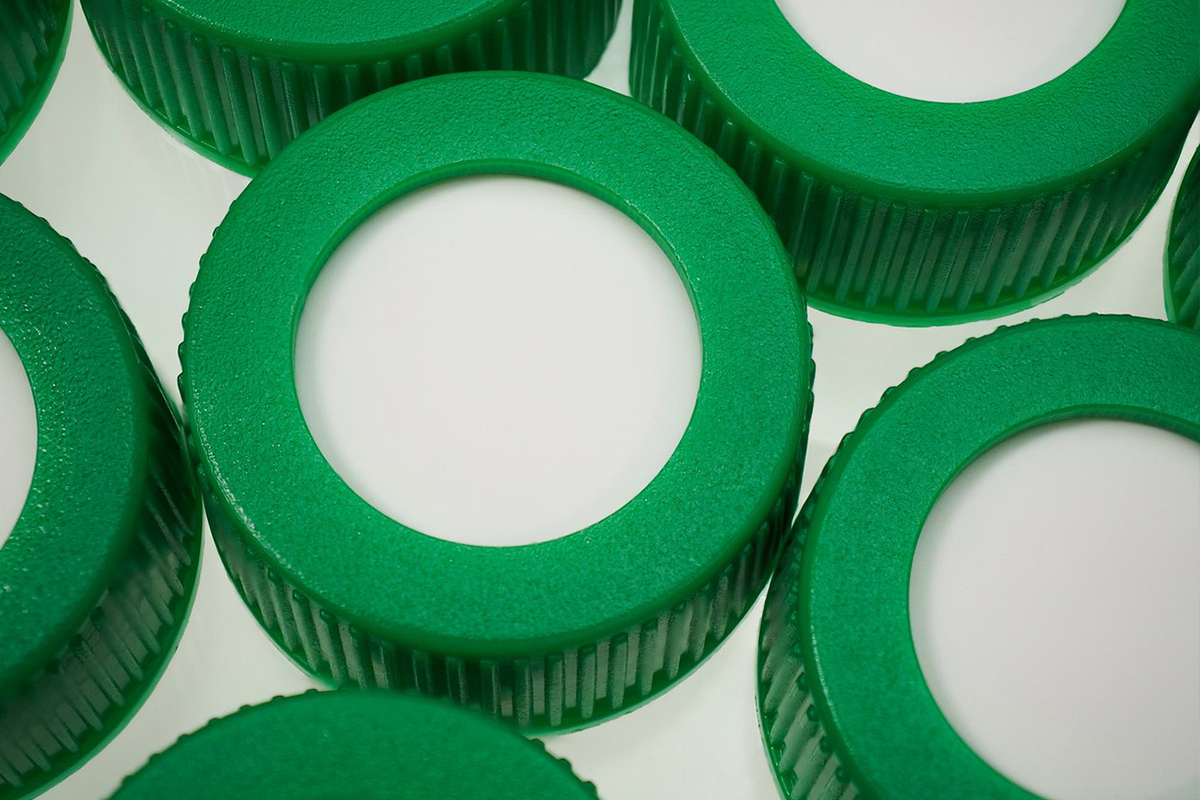
Environmental testing laboratories operate under strict analytical parameters. Whether evaluating soil suspensions or wastewater samples, maintaining integrity throughout sample collection and preparation is critical. Because manual physical handling can introduce variables, selecting the right consumable interface is key to preventing liquid sample loss and workflow bottlenecks.
The Mechanics of Material Selection in Testing
In standard laboratory procedures, container closures help provide a physical barrier against spills and ambient dust. However, in certain specialized workflows, traditional PTFE-lined caps may present specific operational challenges:
- Fluoropolymer Background: In targeted aqueous workflows—such as analyzing certain environmental contaminants—laboratories may actively avoid fluorinated surfaces to prevent potential background interference or cross-contamination from the consumable itself.
- Workflow Inefficiencies: Solid PTFE-lined caps generally require manual removal prior to autosampler injection, slowing down high-volume processing.
For aqueous, non-volatile workflows, alternative non-PTFE elastomeric closures can provide a physical barrier that helps seal the vessel while eliminating fluoropolymer interaction.
Operational Considerations for Environmental Workflows
When preparing environmental samples in 15 mL and 50 mL centrifuge tubes, laboratories must balance material compatibility with mechanical usability.
- Closed-Vial Processing: Keeping centrifuge tubes physically sealed during fluid transfer helps prevent liquid samples from spilling during rack transport.
- Automated Liquid Handling: Using pierceable non-PTFE septa allows autosamplers to access the sample without manual cap removal, helping to streamline processing for short-term analytical runs.
Specifying Compatible Consumables
To support environmental analysis where PTFE is not desired, laboratories may rely on closures engineered for high-throughput mechanical performance. The SeptaSecure™ line of uncut and cross-cut septa caps. provides an option for aqueous and non-volatile analysis. Available for standard 15 mL and 50 mL centrifuge tubes, these non-PTFE caps may help protect physical sample integrity and streamline automated liquid handling operations.
Disclaimer: Syringa Lab Supplies produces SeptaSecure™ septa caps and septa caps with centrifuge tubes utilizing specific brands of caps and centrifuge tubes. All SeptaSecure™ products are produced and packaged in a non-sterile environment. The pierceable septa are constructed from non-PTFE silicone and do not possess the chemical inertness of fluoropolymer-lined closures. Syringa Lab Supplies makes no claims regarding the fitness of these consumables for any specific application. Laboratories must independently validate chemical compatibility, evaporation rates, physical performance, and the use of non-sterile consumables for their specific methodologies, biological assays, automated systems, and analytical requirements. Additionally, the informational blogs and articles provided on this website are for general reference only. Syringa Lab Supplies makes no claims regarding the accuracy, completeness, or applicability of this content, and readers must independently verify all information and workflows for themselves.