
Improving Lab Workflow Efficiency by Bypassing Cap Removal
24th Sep 2026
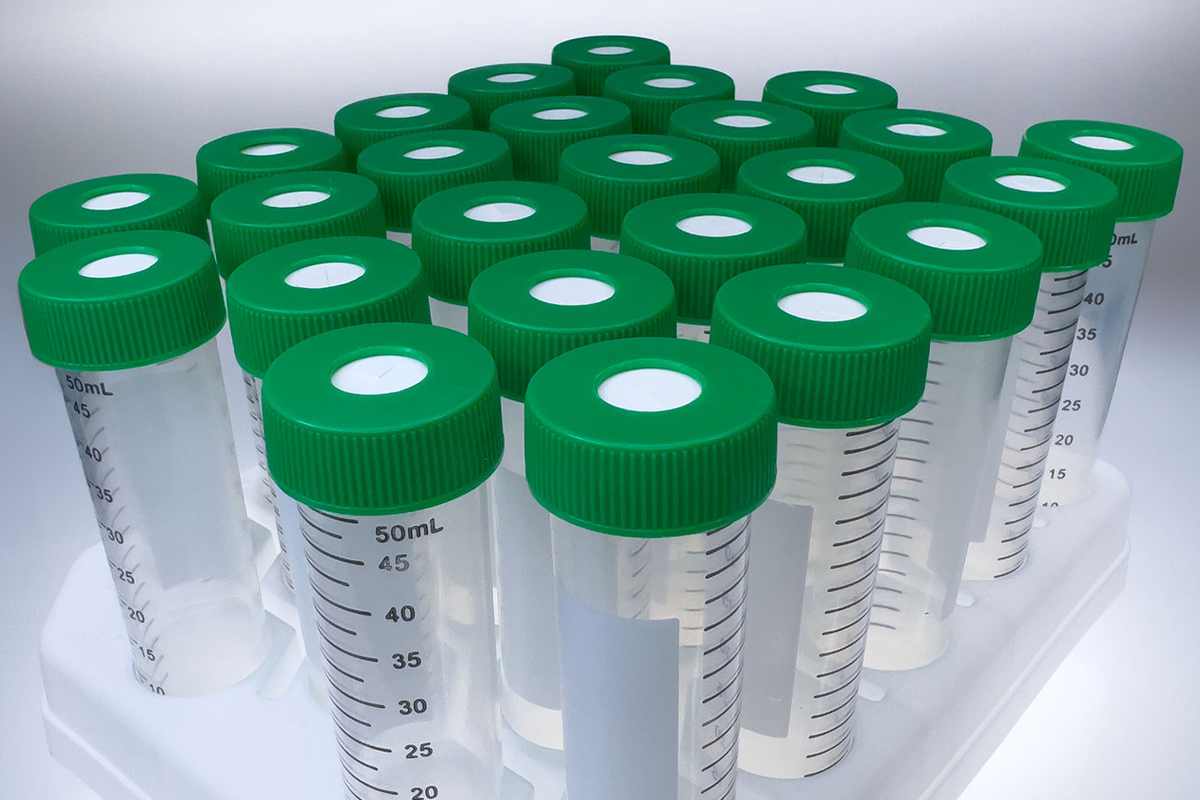
High-throughput laboratories often rely on the rapid processing of massive sample libraries. In these environments, operational speed underpins laboratory success. Facilities invest heavily in automated liquid handlers to process samples quickly and reduce bottlenecks in sample preparation. However, the true efficiency of an automated system can be limited by the consumable interface it interacts with. Switching from standard screw caps to engineered pierceable closures may remove manual handling steps from the analytical pathway, allowing laboratory operations to run more smoothly.
The Mechanics of Closed-Vial Sampling vs. Cap Removal
Traditional sample preparation generally requires technicians to manually remove standard caps before loading centrifuge tubes into an autosampler rack. This manual intervention requires physical time and leaves samples vulnerable to atmospheric exposure. Closed-vial sampling addresses this by using a pierceable septum that remains on the vial throughout the process.
By utilizing closures that do not need to be removed, laboratories can skip the decapping phase entirely. Standard uncut septum caps require the autosampler needle to pierce the intact material physically. Because the material is solid, penetrating an uncut septum generally requires a sharp, bevel-tipped needle.
Operational Advantages of Workflow Automation
Integrating advanced closures into analytical workflows may provide time-saving benefits. Cross-cut septa caps are manufactured with a pre-sliced "X" pattern through the center of the disc.
- Workflow Acceleration: Bypassing cap removal may allow systems to process batches more efficiently. Technicians can prepare libraries in standard 15 mL and 50 mL centrifuge tubes, seal them with pierceable caps, and load them directly onto the deck without unscrewing lids.
- Needle Preservation: The pre-slit design provides an existing physical pathway for the needle. Instead of cutting the material, the needle pushes the pre-cut flaps aside, which generally requires significantly less downward force from the autosampler motor.
- Continuous Processing: Removing the manual step of decapping and recapping allows staff to focus on data analysis rather than physical sample manipulation.
Specifying Compatible Consumables
Aligning the septum design with the liquid handler's probe specifications helps maintain equipment function. The SeptaSecure™ line of uncut and cross-cut septa caps supports high-throughput research. Cross-cut septa are generally recommended for liquid handlers equipped with blunt-tip needles. By selecting the appropriate septa cap, laboratories can reduce the need for manual cap removal and help preserve their hardware.
Disclaimer: Syringa Lab Supplies produces SeptaSecure™ septa caps and septa caps with centrifuge tubes utilizing specific brands of caps and centrifuge tubes. All SeptaSecure™ products are produced and packaged in a non-sterile environment. The pierceable septa are constructed from non-PTFE silicone and do not possess the chemical inertness of fluoropolymer-lined closures. Syringa Lab Supplies makes no claims regarding the fitness of these consumables for any specific application. Laboratories must independently validate chemical compatibility, evaporation rates, physical performance, and the use of non-sterile consumables for their specific methodologies, biological assays, automated systems, and analytical requirements. Additionally, the informational blogs and articles provided on this website are for general reference only. Syringa Lab Supplies makes no claims regarding the accuracy, completeness, or applicability of this content, and readers must independently verify all information and workflows for themselves.