
Standardizing Consumables in High-Volume Laboratories
9th Nov 2026
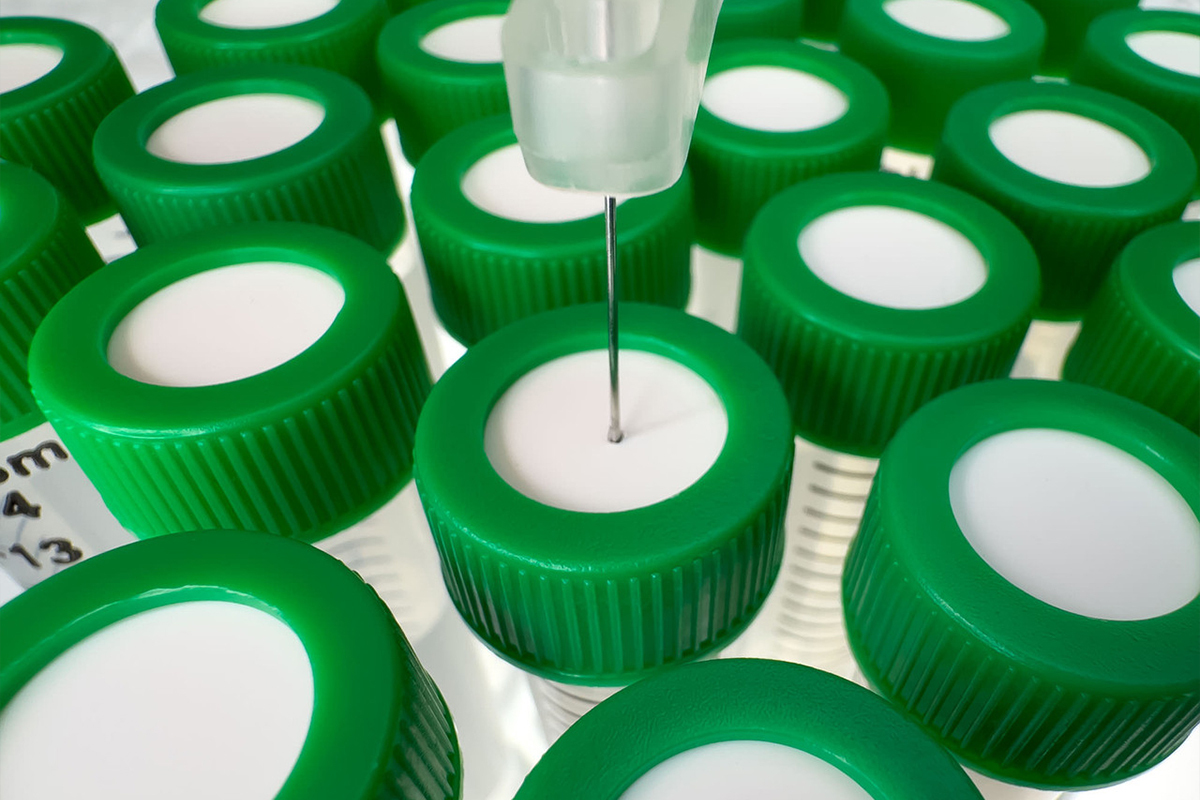
Whether monitoring water supplies for trace contaminants, processing high-volume diagnostics, or conducting environmental impact studies, many facilities process massive volumes of routine samples. To help maintain operational efficiency, high-volume laboratories often rely on consistency across their supply chains. Using disparate brands of centrifuge tubes, closures, and extraction vessels can introduce mechanical and chemical variables that may complicate standard operating procedures.
The Importance of Supply Chain Consistency
In a highly regulated environment, controlling variables is a priority. When a laboratory sources consumables from multiple vendors, it may inadvertently introduce physical inconsistencies into its workflows. A cap from one vendor may have a thicker septum or utilize a different elastomeric blend than another. When these mixed consumables reach the automated liquid handler, robotic probes may encounter unpredictable physical resistance.
Operational Benefits of Standardization
Consolidating laboratory consumables to a single, engineered standard may help support uniform performance across testing stations.
- Predictable Penetration: Standardizing on a specific type of uncut or cross-cut septa helps ensure that automated liquid handlers encounter more consistent physical resistance during every run. This predictability may help reduce the risk of needle coring and instrument downtime.
- Material Consistency: Employing a standardized non-PTFE closure across analytical departments provides a uniform material profile for laboratories conducting trace-level aqueous environmental testing.
- Simplified Logistics: Standardizing lab inventory may streamline purchasing for large facilities, helping to maintain a reliable pipeline of critical supplies without constant re-validation of new brands.
Specifying Reliable Consumables
Syringa Lab Supplies provides the SeptaSecure™ line of non-PTFE closures. By integrating standard cross-cut or uncut septa into their standard operating procedures, facilities may minimize mechanical variables.
Disclaimer: Syringa Lab Supplies produces SeptaSecure™ septa caps and septa caps with centrifuge tubes utilizing specific brands of caps and centrifuge tubes. All SeptaSecure™ products are produced and packaged in a non-sterile environment. The pierceable septa are constructed from non-PTFE silicone and do not possess the chemical inertness of fluoropolymer-lined closures. Syringa Lab Supplies makes no claims regarding the fitness of these consumables for any specific application. Laboratories must independently validate chemical compatibility, evaporation rates, physical performance, and the use of non-sterile consumables for their specific methodologies, biological assays, automated systems, and analytical requirements. Additionally, the informational blogs and articles provided on this website are for general reference only. Syringa Lab Supplies makes no claims regarding the accuracy, completeness, or applicability of this content, and readers must independently verify all information and workflows for themselves.