
Septa Caps for High-Volume Diagnostic Testing
26th Oct 2026
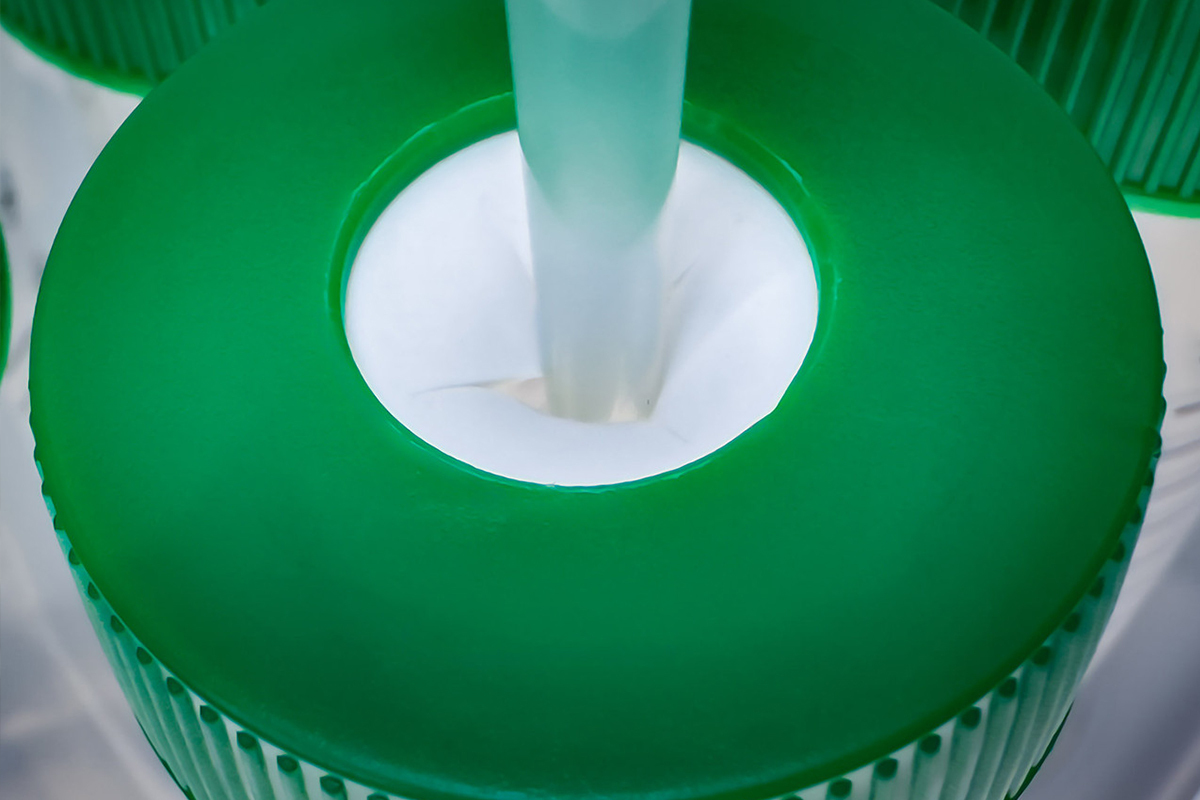
Clinical diagnostic laboratories function in a fast-paced environment. Technicians depend on rapid turnaround times to process routine samples efficiently. Manually transferring samples between primary collection vessels, centrifuge tubes, and analytical instruments can create physical touch-points where samples may be compromised by environmental variables.
The Mechanics of Sampling
Handling complex matrices often requires strict adherence to exposure protocols. Standard open-vial workflows, where screw caps are manually removed before pipetting or centrifugation, may expose both the sample and the technician to unnecessary physical variables.
When a centrifuge tube is uncapped, the liquid is exposed to ambient laboratory air currents. Furthermore, pipetting from an open tube may increase the likelihood of droplet formation, aerosolization, or exterior wall contamination.
Operational Considerations for Diagnostic Labs
Relying on standard open-vial processing may introduce compounding physical risks into the diagnostic pipeline.
- Physical Cross-Contamination Risks: Open-vial transfers can expose sensitive samples to airborne particulates and ambient aerosols from adjacent tubes.
- Spill Mitigation: Uncapped 15 mL and 50 mL centrifuge tubes can present a physical spill hazard during rack transfers. Furthermore, if a tube is improperly resealed before centrifugation, material may disperse within the rotor.
- Workflow Bottlenecks: Manually decapping hundreds of samples before loading them onto a diagnostic analyzer may slow down the critical path to generating results.
Methods to Secure Analytical Diagnostic Workflows
Implementing non-PTFE pierceable closures can help create a more physically secure handling environment for high-throughput diagnostic testing—particularly in rapid-turnaround chromatography or mass spectrometry workflows where mechanical processing speed is prioritized, and the strict chemical inertness of fluoropolymer-lined caps is not required.
The SeptaSecure™ product line lets technicians use closed-vial sampling techniques. By utilizing a syringe to inject extracted samples directly through the septum into the centrifuge tube, the vessel remains physically shielded from ambient laboratory aerosols and particulates. After centrifugation, automated probes can draw the supernatant directly through the cap without exposing the matrix to the open atmosphere.
Disclaimer: Syringa Lab Supplies produces SeptaSecure™ septa caps and septa caps with centrifuge tubes utilizing specific brands of caps and centrifuge tubes. All SeptaSecure™ products are produced and packaged in a non-sterile environment. The pierceable septa are constructed from non-PTFE silicone and do not possess the chemical inertness of fluoropolymer-lined closures. Syringa Lab Supplies makes no claims regarding the fitness of these consumables for any specific application. Laboratories must independently validate chemical compatibility, evaporation rates, physical performance, and the use of non-sterile consumables for their specific methodologies, biological assays, automated systems, and analytical requirements. Additionally, the informational blogs and articles provided on this website are for general reference only. Syringa Lab Supplies makes no claims regarding the accuracy, completeness, or applicability of this content, and readers must independently verify all information and workflows for themselves.