
Silicone vs. PTFE Septa Caps: Which is Best for Your Autosampler?
12th Jun 2026
Comparing Silicone and PTFE Septa Caps in Automated Workflows
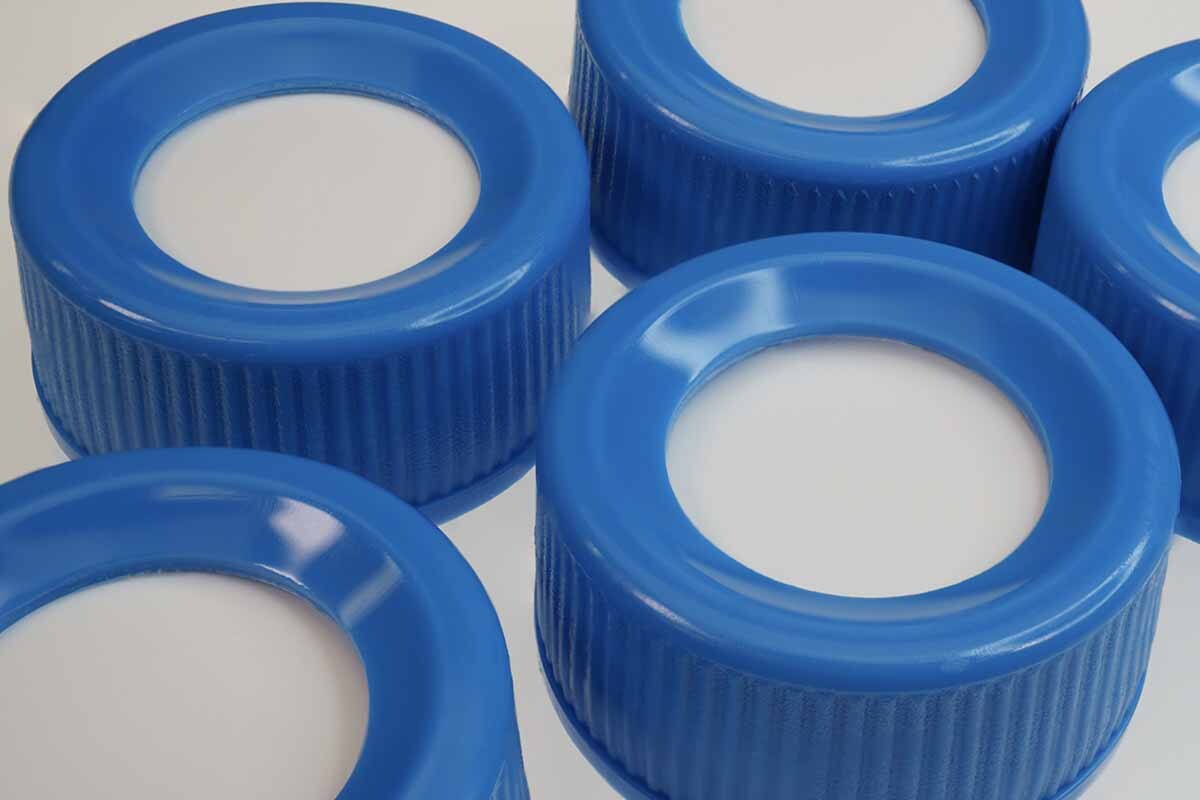
Evaluating Septum Materials for Liquid Handling
When selecting closures for automated liquid handling systems, laboratory managers evaluate chemical compatibility alongside mechanical flexibility. The two materials most commonly used for vial septa—PTFE (Polytetrafluoroethylene) and silicone—exhibit different physical responses to the mechanical stress of an autosampler needle.
The Physical Characteristics of PTFE-Lined Septa
PTFE is utilized in laboratories primarily for its broad chemical inertness, which is necessary when analyzing samples in highly aggressive or concentrated organic solvents. However, this material presents specific mechanical characteristics during automated sampling:
-
Material Rigidity: PTFE is a dense polymer with minimal inherent elasticity.
- Puncture Behavior: When an autosampler needle pierces a PTFE septum, the material yields to the needle but does not elastically recover. This leaves an open puncture path after the needle withdraws.
- Penetration Force: The rigidity of PTFE requires a higher mechanical force from the autosampler motor to achieve penetration, which can place physical strain on standard needles over repeated cycles.
The Elastomeric Properties of Silicone
For analytical workflows that do not require the extreme chemical resistance of PTFE—such as those utilizing aqueous solutions or biological samples—silicone provides distinct mechanical behaviors due to its elastomeric nature.
- Elastic Recovery: Silicone is highly flexible. Upon needle withdrawal, the elastomeric memory causes the septa material to compress back towards its original shape, which helps to cover the puncture site.
- Reduced Mechanical Resistance: Silicone yields more readily to autosampler probes than rigid polymers, lowering the penetration force required by the liquid handler.
Specifying the Right Closure
Understanding the mechanical demands of an automated workflow assists in selecting the appropriate consumables. Syringa Lab Supplies offers centrifuge tubes with septa caps manufactured from silicone to support workflows that require elastomeric flexibility and lower needle resistance for 15mL and 50mL conical tubes.