
Mitigating Autosampler Needle Coring
23rd Jun 2026
Mitigating Needle Coring in High-Throughput Laboratory Workflows
The Mechanics of Needle Coring
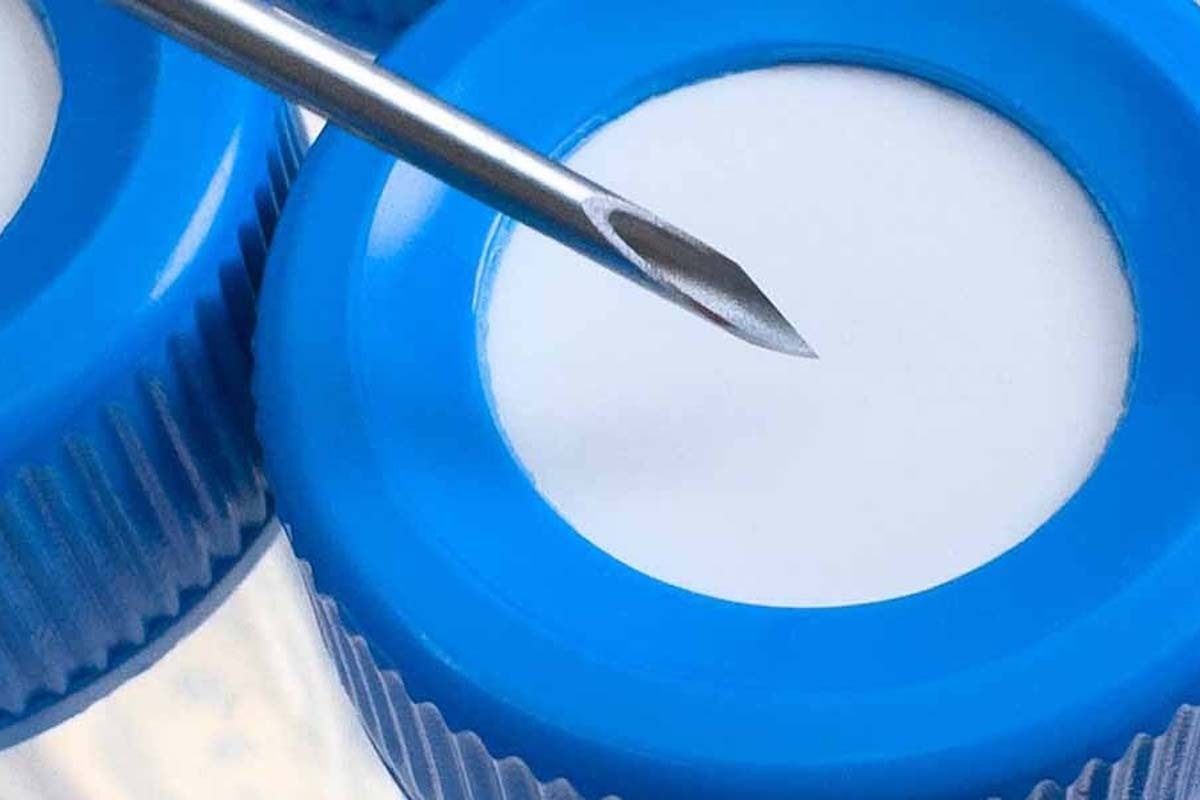
Needle coring is a physical phenomenon that occurs when an autosampler needle shears a microscopic piece of material from a septum during its penetration phase. This sheared fragment can be deposited into the sample matrix or become lodged within the bore of the needle.
Operational Considerations of Coring
When coring occurs, it introduces operational variables into analytical workflows:
- Syringe Obstruction: A lodged septum fragment can block the needle, leading to draw failures and requiring system pauses for maintenance.
- Sample Interaction: The introduction of elastomeric fragments into the sample vial adds foreign material to the matrix. In sensitive chromatographic applications, this can contribute to baseline noise or irregular readings.
- Puncture Integrity: The shearing of material removes a physical portion of the septum, altering the closure's structure at the puncture site.
Methods to Reduce the Risk of Coring
Mitigating needle coring relies on managing the physical forces applied to the septum. This is achieved by evaluating needle geometry and consumable materials.
Needle Selection:
Standard bevel-tipped needles present a sharp cutting edge that increases the likelihood of shearing material. Utilizing blunt-tip or side-hole needle designs reduces the cutting force applied to the septum.
Pre-Slit Integration:
Utilizing a cross-cut septum offers an existing entry path. Because the material is already separated, the shearing forces required to enter the vial are lowered, which reduce the physical conditions that cause coring.
Specifying Compatible Consumables
Addressing mechanical wear requires selecting closures compatible with the system's physical parameters. The SeptaSecure line of septa caps includes pre-slit configurations designed to accommodate automated sampling and help mitigate the mechanical variables associated with needle coring.